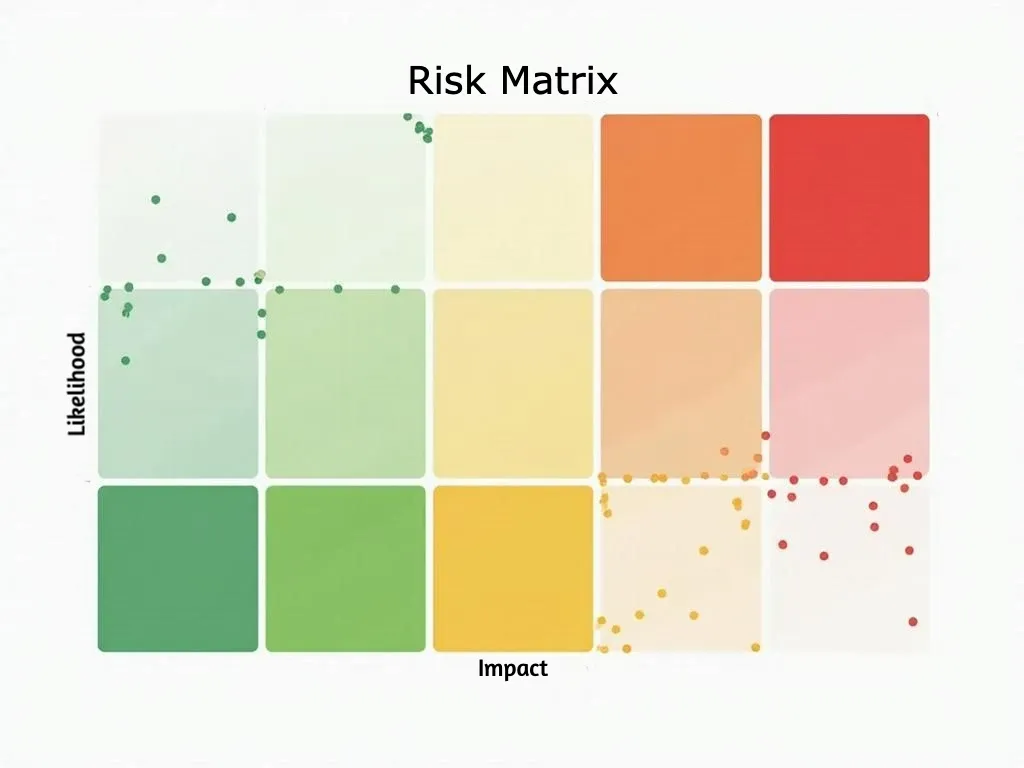
A successful risk management plan starts with clarity: knowing where you’re vulnerable and how those vulnerabilities translate into threats. In this post, we share five practical tips to help you design a plan that’s both measurable and actionable.
Blog tag
Threat Intelligence & Vulnerability Management
Articles from the SimpleRisk blog tagged Threat Intelligence & Vulnerability Management: governance, risk management, and compliance insights.

From Audit Fatigue to Efficiency with SimpleRisk
Tired of audit fatigue and juggling multiple frameworks? Discover how SimpleRisk streamlines compliance by integrating the Secure Controls Framework (SCF) and centralizing audit activities, making it the ultimate tool for auditors seeking efficiency and precision.

Metrics That Matter: Proving Cybersecurity Value
How do you prove the value of your cybersecurity investments to the business? By shifting the focus from risk reduction to cybersecurity maturity, this post explores how to measure and communicate meaningful progress in building a stronger, more resilient organization.

ISO 27001 Compliance in 18 Months
When a lost deal with the world’s largest healthcare company revealed a critical gap in SimpleRisk’s compliance posture, it set us on an 18-month journey to achieve ISO 27001 certification. From assessing our maturity and closing governance gaps to leveraging AI and tackling a rigorous third-party audit, we turned a challenge into an opportunity to enhance our operations and platform.
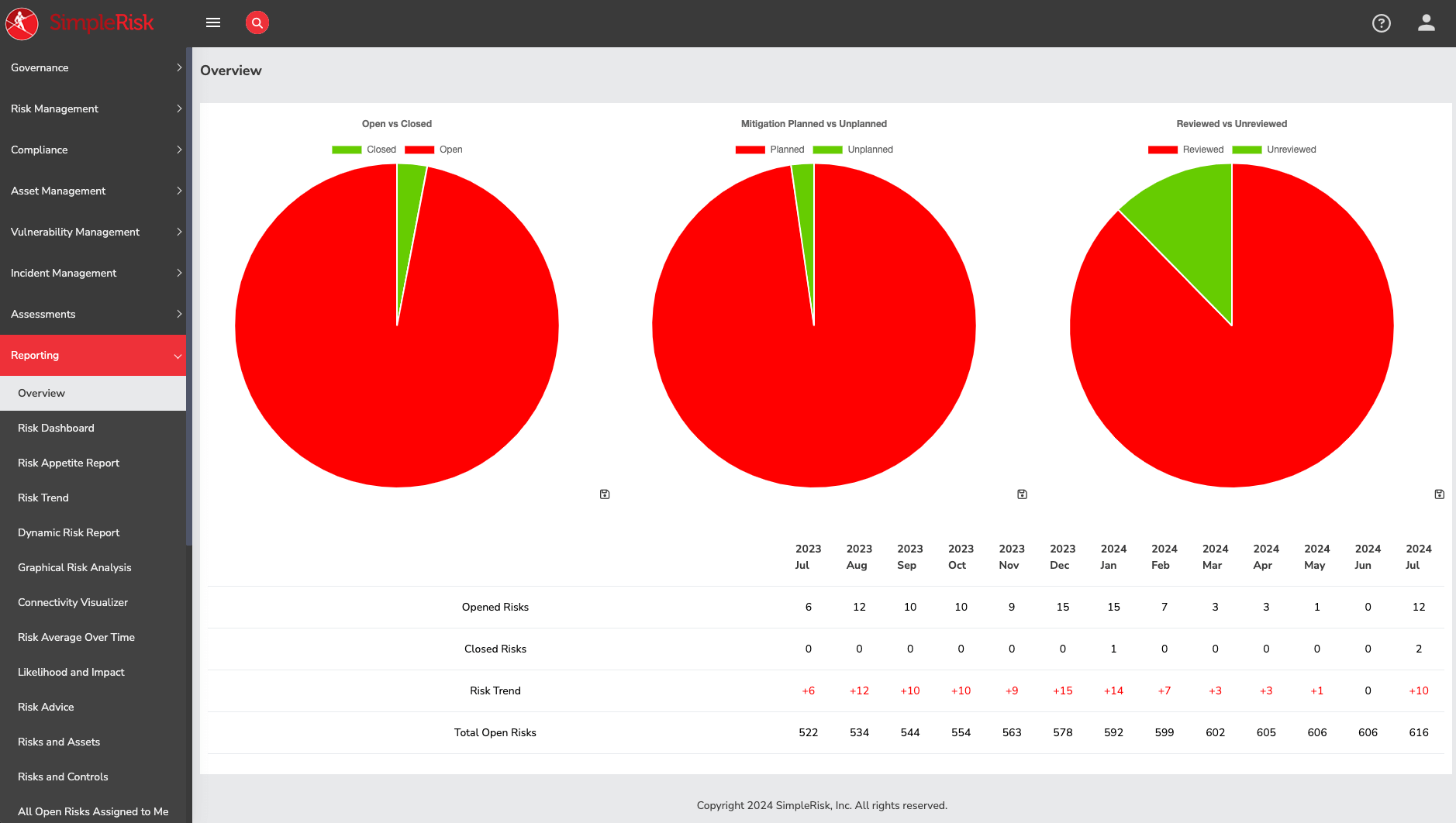
SimpleRisk's Makeover: What's New in July 2024
Get ready for the brand new SimpleRisk user interface, launching on July 26, 2024! After two years of development, this release brings a fresh look, improved security, and enhanced functionality, setting the stage for even more customizations and future enhancements.

Governance 101: Back to Basics
Let’s go back to the basics and talk about what governance is and how you can use it to ensure that the information that reaches your executive team and other key stakeholders is complete, accurate and timely.

Apache Log4j (CVE-2021-44228) and SimpleRisk
SimpleRisk has assessed our risk against the Apache Log4j vulnerability and determined that no customers deployed with our standard deployment instructions, regardless of On-Premise or Hosted environment, should be impacted by this vulnerability.
SimpleRisk Free and Open Source vs. Fully Featured Platform
Curious about SimpleRisk’s product offerings and available functionality? Read on to learn about our flexible deployment models – from free and open source to fully-featured GRC platform!
The OWASP Risk Rating Methodology and SimpleRisk
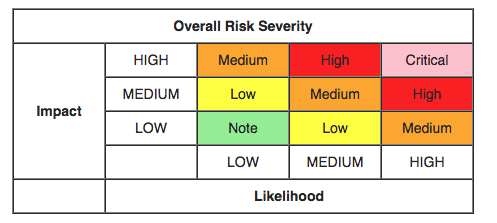
Risk scoring methodologies vary widely, but understanding how to prioritize risks is key to managing them effectively. In this post, we take a deep dive into the OWASP Risk Rating Methodology, clarifying how it’s calculated in SimpleRisk and addressing common misconceptions.

Normalizing Risk Scoring Across Different Methodologies
Risk scoring often involves complex matrices, but prioritizing risks effectively is key. In this post, we explore how SimpleRisk’s Classic Risk Scoring methodology ensures consistency across various scoring systems, allowing you to prioritize risks on a uniform scale.
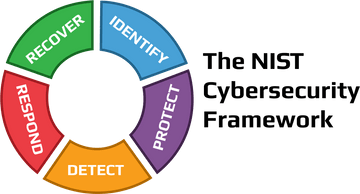
Simplifying the NIST Cybersecurity Framework with SimpleRisk
Learn how to use SimpleRisk's Import-Export and Risk Assessment Extras in order to efficiently use the NIST Cybersecurity Framework's controls to assess your organization's risks and perform a control gap analysis.

The Security of Open Source vs Closed Source Software
When it comes to software security, is open source or closed source the safer choice? Dive into the pros and cons of transparency, community collaboration, and bug detection to see why SimpleRisk embraces open source for its core while prioritizing security at every step.

SimpleRisk On-Premise or Hosted: Which Is Right?
Is your data safer in your own hands or hosted in the cloud? In this post, we explore how SimpleRisk's On-Premise and Hosted solutions empower organizations to balance security, simplicity, and ROI—helping you focus on managing risk, not just your GRC system.

What features do you want to see added to SimpleRisk?
In 2013, SimpleRisk started as a solo project tracked on a Trello board filled with feature ideas to simplify risk management. Today, we’re inviting our community to shape the future of SimpleRisk through our new Suggest a Feature page—where your ideas and votes will help prioritize what matters most.

Josh Sokol Featured on the 'Dialed In' Podcast
I joined Kyle Burt's "Dialed In" podcast to discuss cybersecurity topics like Bluekeep, career paths, and improving personal security. Missed it live? Watch the replay for an hour of insights and tips!

How to Manage the Evolving Risk of Bluekeep (with SimpleRisk)
Ever wondered how risks evolve over time? Dive into this blog post to see how SimpleRisk tracks and manages the changing threat landscape, using the infamous 'Bluekeep' vulnerability as a real-world example!

Should Vulnerabilities and Risks be Managed in the Same Place?
Should vulnerabilities be managed as risks? While both are essential to cybersecurity, understanding their differences and how they complement each other is key to deciding whether to track them together in a single risk management system.

Why Management Doesn't Understand Your Security Woes
Feeling overwhelmed by security vulnerabilities that seem beyond your control? Learn how implementing a formal risk management program can help you communicate more effectively with management and shift the focus to actionable risk mitigation strategies.

What do Role Playing and Risk Management have in common?
Curious about how Table Top Exercises (TTX) can improve your organization's security incident response? Discover the valuable lessons learned from a first-hand TTX experience and why it's an essential tool for identifying gaps and enhancing preparedness.

How Does an Asset's Value Affect Your Risk?
Is asset valuation complicating your risk management process? Discover how SimpleRisk simplifies asset valuation with a streamlined approach that balances practicality and effectiveness, empowering organizations to prioritize risk mitigation without unnecessary complexity.