Tired of juggling 16 separate vendor RFIs every year? Discover how SimpleRisk transformed one client’s chaotic third-party assessments into a single, streamlined process.
From 16 Vendor RFIs to One Assessment
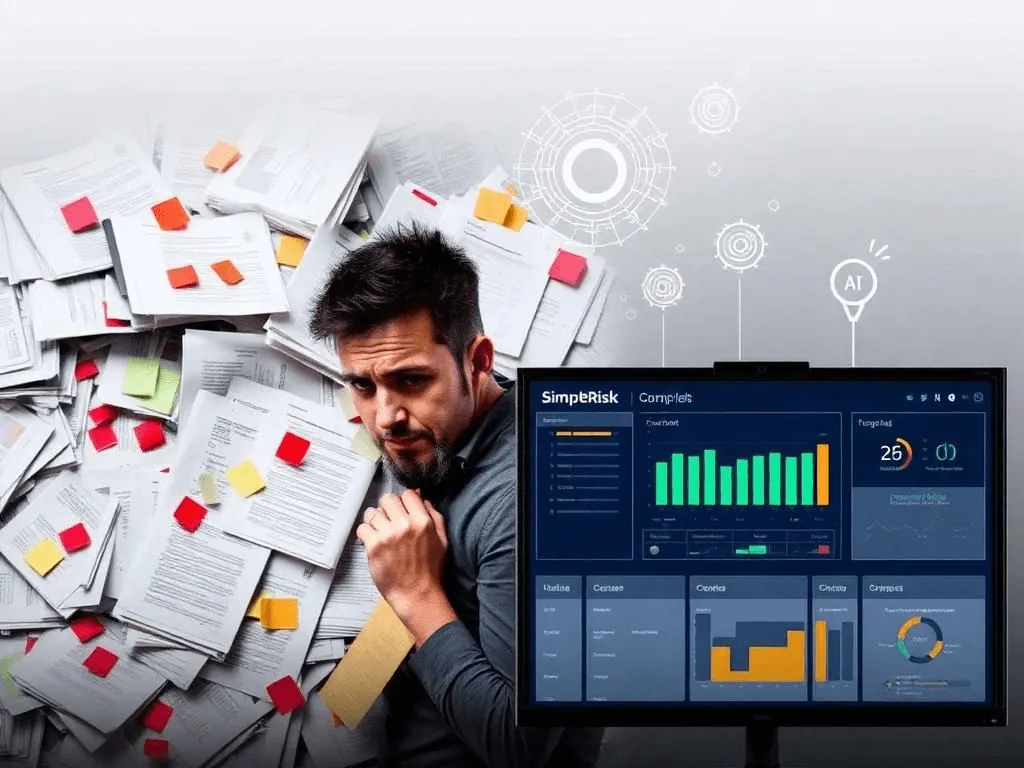
As a Chief Compliance Officer, few things are more frustrating than receiving 16 separate requests for information (RFIs) every single year from different third-party vendors with each demanding proof that your organization has adequate security controls in place.
Recently, a client reached out to me in complete exhaustion. They were drowning under this annual avalanche of vendor security questionnaires. Each vendor used a slightly different framework, format, and set of questions. The process was chaotic, extremely time-consuming, and incredibly inefficient.
The good news? There is a far better way.
Using SimpleRisk, we completely transformed their third-party risk assessment process, reducing massive duplication and turning a painful yearly burden into a streamlined, repeatable, and highly effective program.
Here’s the exact 3-Phase strategy we implemented:
Phase I: Create a Repeatable, Centralized Assessment Process
This is where the transformation begins.
Recommended Approach:
- Import each vendor’s control requirements into SimpleRisk as proprietary control frameworks.
- Use SimpleRisk’s powerful Risk Assessment Extra to automatically generate professional assessment questionnaires from those frameworks.
- I strongly recommend using Maturity Assessments (instead of simple Yes/No). This allows you to demonstrate measurable year-over-year improvement.
- Enable evidence attachments for each question so responders can upload policies, screenshots, audit reports, etc.
- Distribute the assessment internally to the appropriate control owners.
- Once completed, export the full results + evidence as a professional PDF or Excel spreadsheet to send back to each vendor.
Results after Phase I:
- Centralized, auditable evidence for every question
- Fully repeatable process year after year
- Significant reduction in manual effort
- Strong foundation for the next phases
Phase II: Consolidate 16 Frameworks into One Master Framework
After running Phase I successfully for approximately 12 months, we took the next major leap.
We used AI tools (ChatGPT, Grok, Claude, etc.) to analyze all 16 vendor frameworks and consolidate them into one single, comprehensive “Acme Global Third-Party Security Framework.”
Once created:
- Import the new unified framework into SimpleRisk
- Generate one master maturity assessment each year
- Complete the assessment once at the beginning of the year
- Send the same report to all vendors
Key Success Factors:
- Communicate the new process in writing to all vendors well in advance
- Include the new standardized process as a contractual requirement in all new and renewal vendor agreements
- Be prepared to handle occasional changes when vendors update their control requirements
This phase typically delivers the single biggest reduction in workload.
Phase III: Elevate the Framework into Corporate Governance
The ultimate goal, and the most powerful outcome, is turning your consolidated third-party framework into your internal corporate control standard.
In Phase III:
- Adopt the unified framework as Acme’s official internal control framework
- Use SimpleRisk’s Artificial Intelligence Extra to automatically generate tailored policies, procedures, and guidelines directly aligned with the framework
- Drive cultural and organizational adoption of these documents across the enterprise
- Leverage SimpleRisk’s Compliance module to enable Internal Audit to define control tests, initiate recurring audits, capture evidence, manage the full audit lifecycle, and perform annual control testing against this single standard
This creates true alignment between third-party risk management and overall enterprise security governance.
Final Recommendation
While the three-phase SimpleRisk strategy delivers dramatic improvements in efficiency and effectiveness, I strongly recommend that organizations in mature stages also pursue a formal third-party attestation, such as ISO 27001, SOC 2 Type II, or HITRUST.
A recognized certification dramatically reduces the volume of custom questionnaires you receive and significantly strengthens your negotiating position with vendors.
Bottom Line
You no longer need to accept the annual chaos of multiple conflicting vendor security assessments.
By leveraging SimpleRisk (including the Risk Assessment Extra, Artificial Intelligence Extra, and Compliance module) and following this 3-Phase approach, you can move from reactive pain to proactive, efficient, and mature third-party risk management, while simultaneously strengthening your overall security posture.
SimpleRisk also offers professional services to help organizations accelerate this transformation, from initial framework imports and assessment configuration through AI-assisted policy generation and compliance program setup. Our experts can guide your team step-by-step or handle key implementation phases, allowing you to reach maturity faster with less internal friction.
Would you like to stop drowning in vendor RFIs every year?
The technology, process, and expert support, exist today to fix it.
Contact us to discuss how your organization can implement this transformation.
Want to learn more? Check out these related posts:
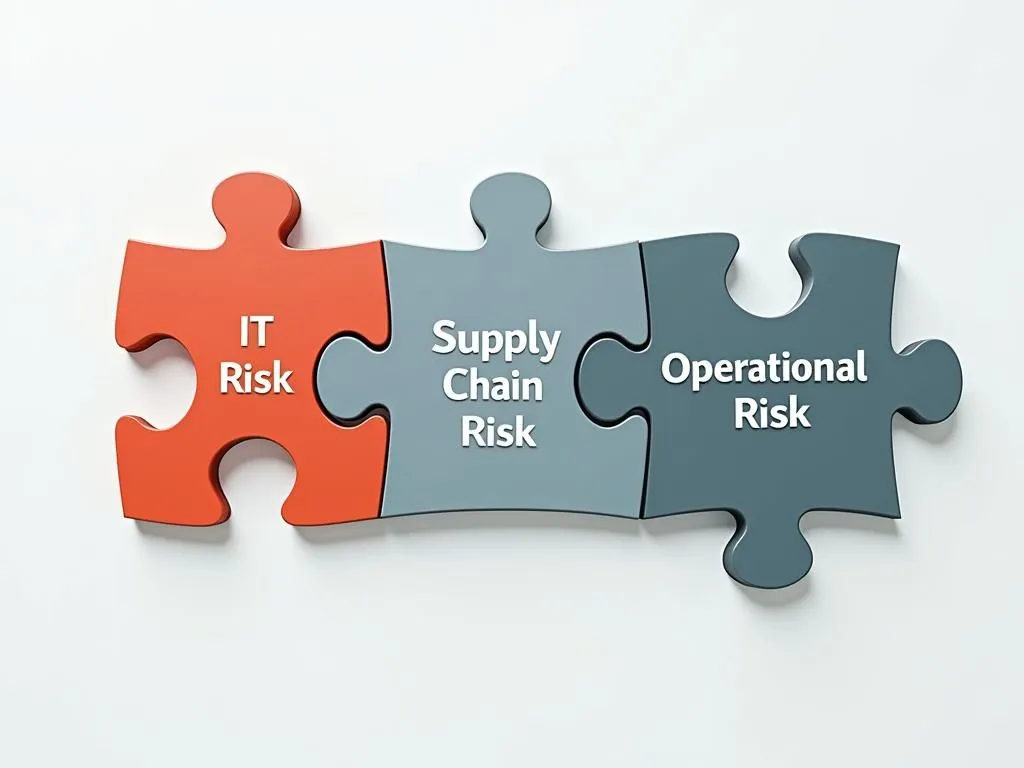
Why 2025 Needs One Complete Risk Assessment
Your IT, supply chain, and operations teams may all see the same risks—but they don’t measure them the same way. That gap could be the biggest security vulnerability in your organization today.

These CISOs GRC is Failing Them And I Know Why
Today I attended a CISO roundtable where a number of the attendees talked about their GRC platforms that have taken over a year to "connect all the wires" and they're still in the process of implementing. I know why their GRCs are failing them and there is a better way.
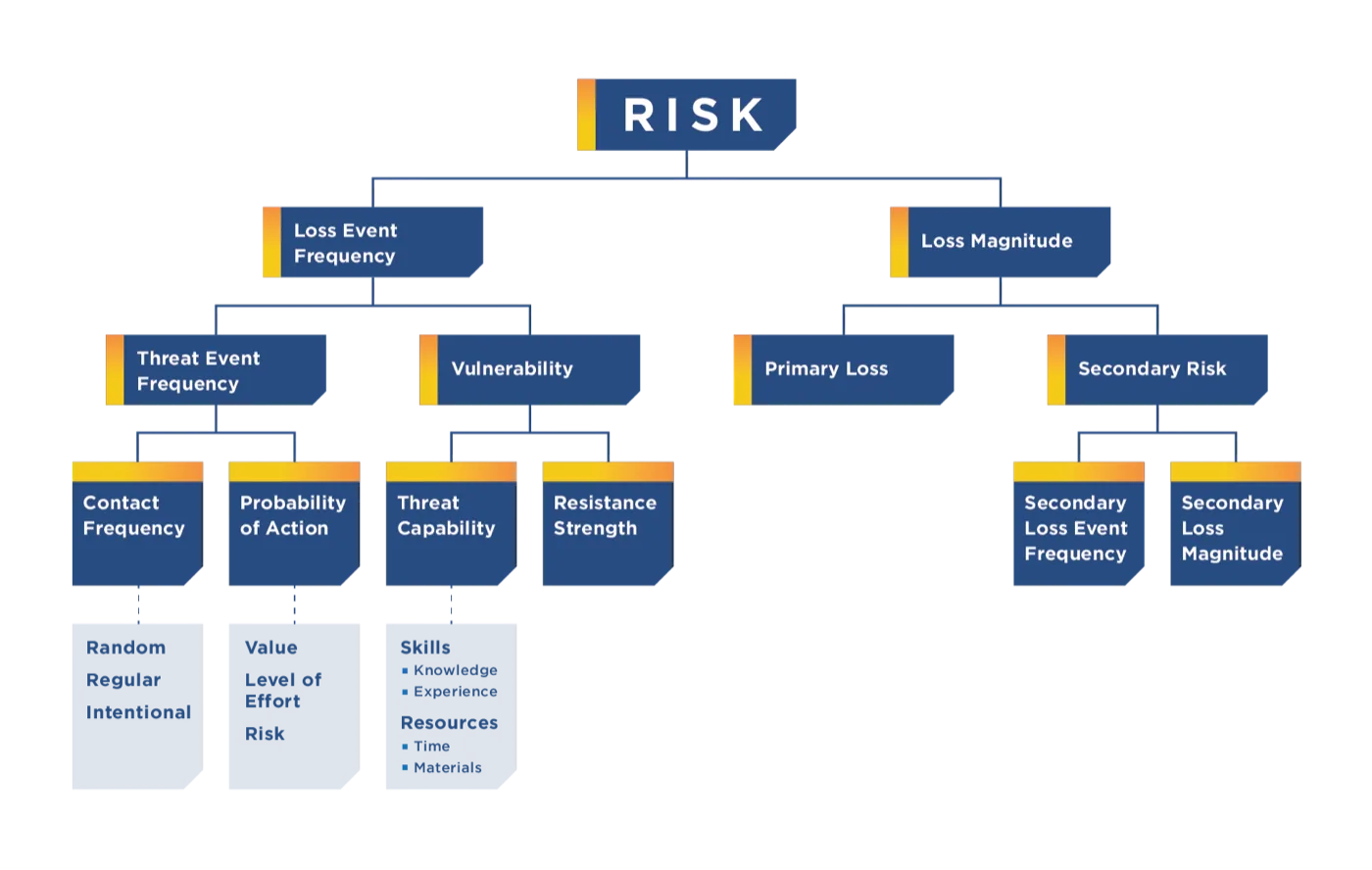
Using AI with FAIR for Precision and Scalability
Discover how combining the FAIR methodology with artificial intelligence revolutionizes risk management by providing precise, scalable, and data-driven insights. Learn how this powerful synergy enhances decision-making, optimizes resource allocation, and transforms how organizations approach risk quantification.